GLP-1 weight-loss medications like Ozempic, Wegovy, Mounjaro and Zepbound are getting a lot of attention these days. But what are they, how do they work, and who are they for?
Is Obesity Just a Lack of Willpower?
Obesity is a chronic disease, not a lack of willpower. In fact, the American Medical Association officially recognized obesity as a disease in 2013.
Doctors often use body mass index (BMI), a calculation based on height and weight, to help identify obesity. A BMI of 30 or higher falls in the obesity range. But BMI doesn’t tell the whole story. It can’t distinguish muscle from fat, and some people with a “normal” BMI may still carry too much body fat.
Understanding obesity as a chronic health condition is important when considering treatment options, including prescription weight-loss medications.
How Do GLP-1’s Like Ozempic and Wegovy Work?
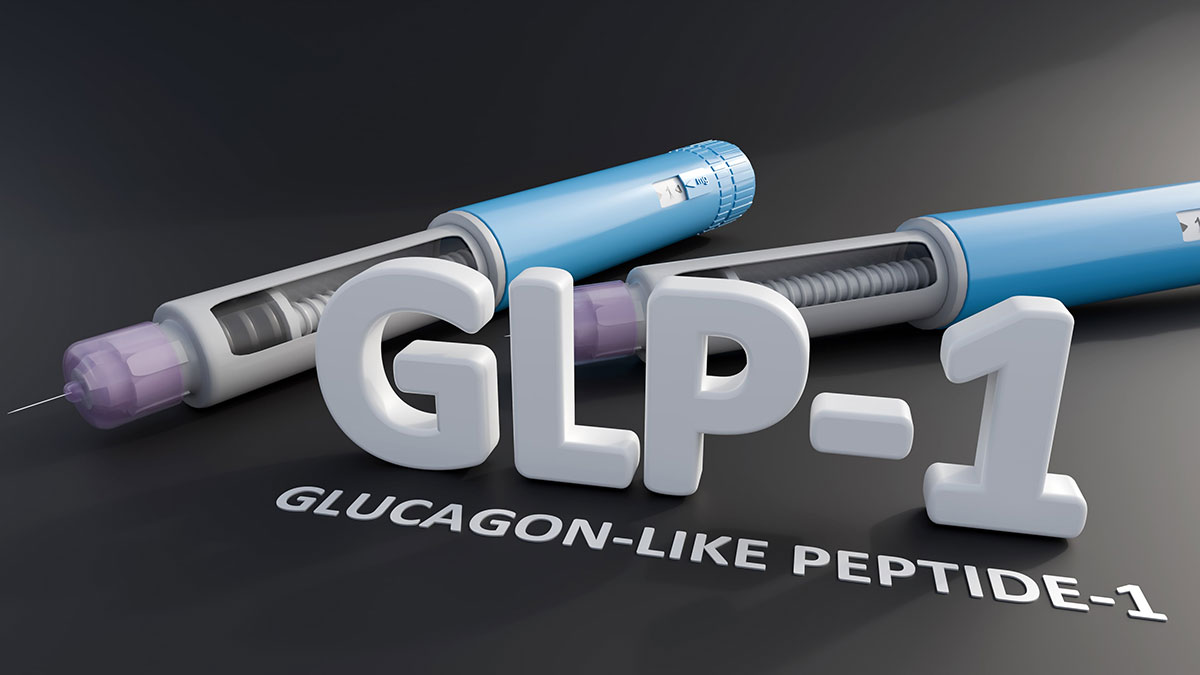
GLP-1 stands for glucagon-like peptide-1, a natural hormone your gut naturally releases after you eat a meal. It helps control blood sugar, slows how quickly food leaves your stomach, and signals your brain that you’re full. The natural hormone only works for a short time, but GLP-1 medications are designed to stimulate your natural hormone to keep it working much longer – typically about a week for weekly injections.
GLP-1 medications can help you feel full sooner, keep blood sugar levels steadier and help quiet "food noise” – those constant thoughts about food, your next meal, or that snack you’re looking forward to eating.
Newer medications such as Tirzepatide (brand names Mounjaro and Zepbound) work on a second gut hormone as well. This added effect can lead to greater weight loss. In clinical studies, patients taking these medications lost an average of 15% or more of their body weight, with many losing more than 20%. Results vary from patient to patient, and individual outcomes depend on the medication, dose, and other factors.
Are There Benefits Beyond Weight Loss?

GLP-1’s may offer benefits beyond helping people lose weight and manage blood sugar. Certain medications have been shown to lower the risk of heart attack and stroke in specific patient groups. Some are also approved for additional uses, including treating certain kidney and liver conditions and obstructive sleep apnea.
Researchers are exploring other possible benefits, including whether these medications may help reduce cravings for alcohol and nicotine. Treatment options are also evolving, with oral (pill) medications offering an alternative to injections for some patients, depending on the specific medication and its approved use.
Who Qualifies for GLP-1 Weight-Loss Medications?
GLP-1 medications aren’t right for everyone, but certain prescription weight-management medications may be an option for adults with obesity or those who are overweight and have related health concerns.
In general, certain weight-management medications are approved for adults with a BMI of 30 or higher, or a BMI of 27 or higher along with a weight-related condition such as high blood pressure, high cholesterol, or sleep apnea. Some GLP-1 medications are also used to treat type 2 diabetes.
The best option depends on your health, medical history, and treatment goals. Insurance coverage varies by plan, too, so check with both your doctor and your insurance company before getting started.
GLP-1 Side Effects & Safety: What Do I Need to Know Before Starting?
Although GLP-1 medications can be helpful, they’re not for everyone. You should discuss your medical conditions and family history with your doctor. These factors can affect whether the medication is safe for you to use.
Common GLP-1 side effects include nausea, vomiting, diarrhea, and constipation. These symptoms are often more noticeable when the dose increases and may improve as your body adjusts.
There’s another important consideration: Some of the weight lost can be muscle, not just fat, and rapid weight loss can affect bone health. Patients should be monitored closely, and emphasize eating well and staying physically active during treatment.
Physicians also warn against obtaining medications from unverified online sources or using compounded versions without appropriate medical guidance. These products may carry additional risks, including dosing errors.
A GLP-1 is Not a Magic Pill
GLP-1 medications work best alongside healthy eating, regular physical activity, and support from a healthcare team. And because obesity is a chronic condition, many people need ongoing treatment to keep the weight off and maintain their results.
The bottom line? GLP-1 medications can be a valuable tool for managing weight and certain health conditions, but the best approach is one tailored to your health needs and guided by a healthcare professional.
Want to learn more about GLP-1 medications? Watch a video presentation by Sadia Moinuddin, MD, FACP.

 Gift Giving
 Schedule Appointment


 Find a Physician
 About Us
 Careers
 Pay Your Bill
 Help Paying Your Bill
 Price Transparency
